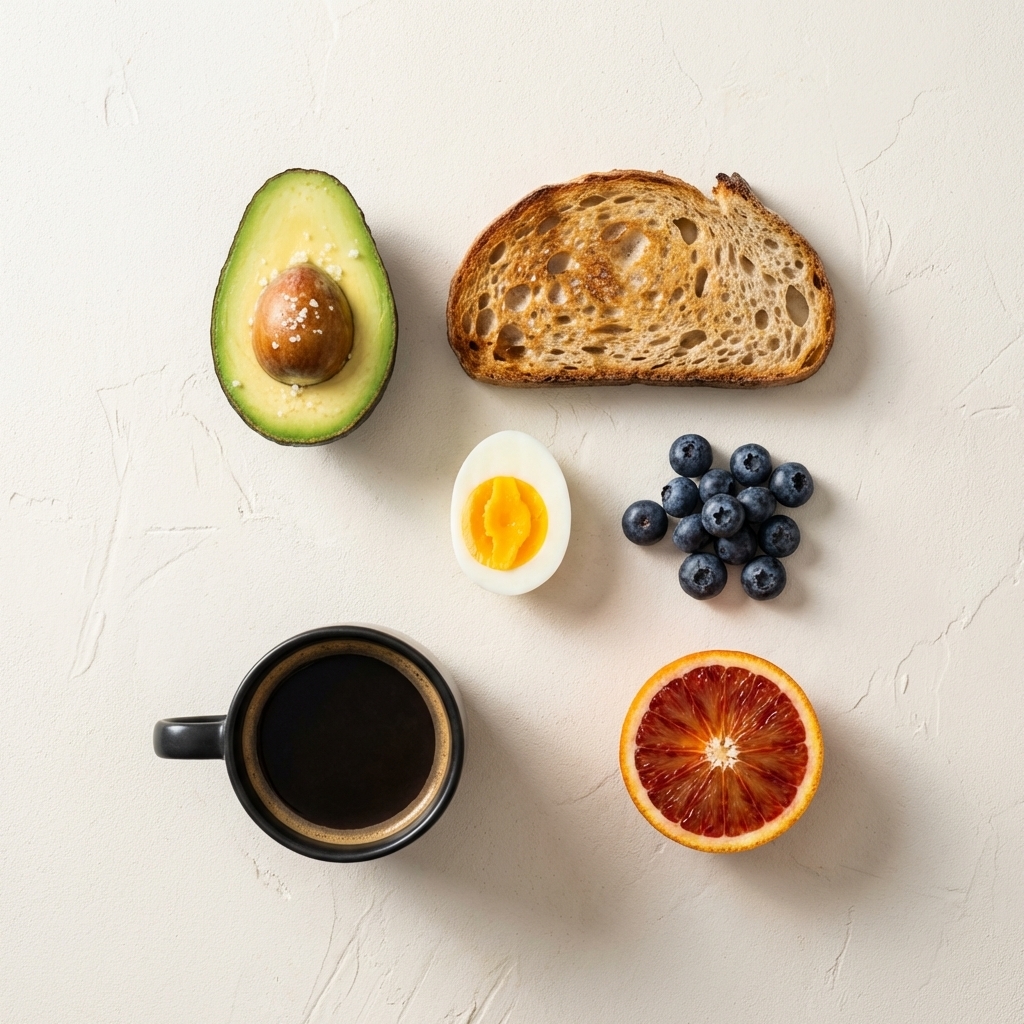
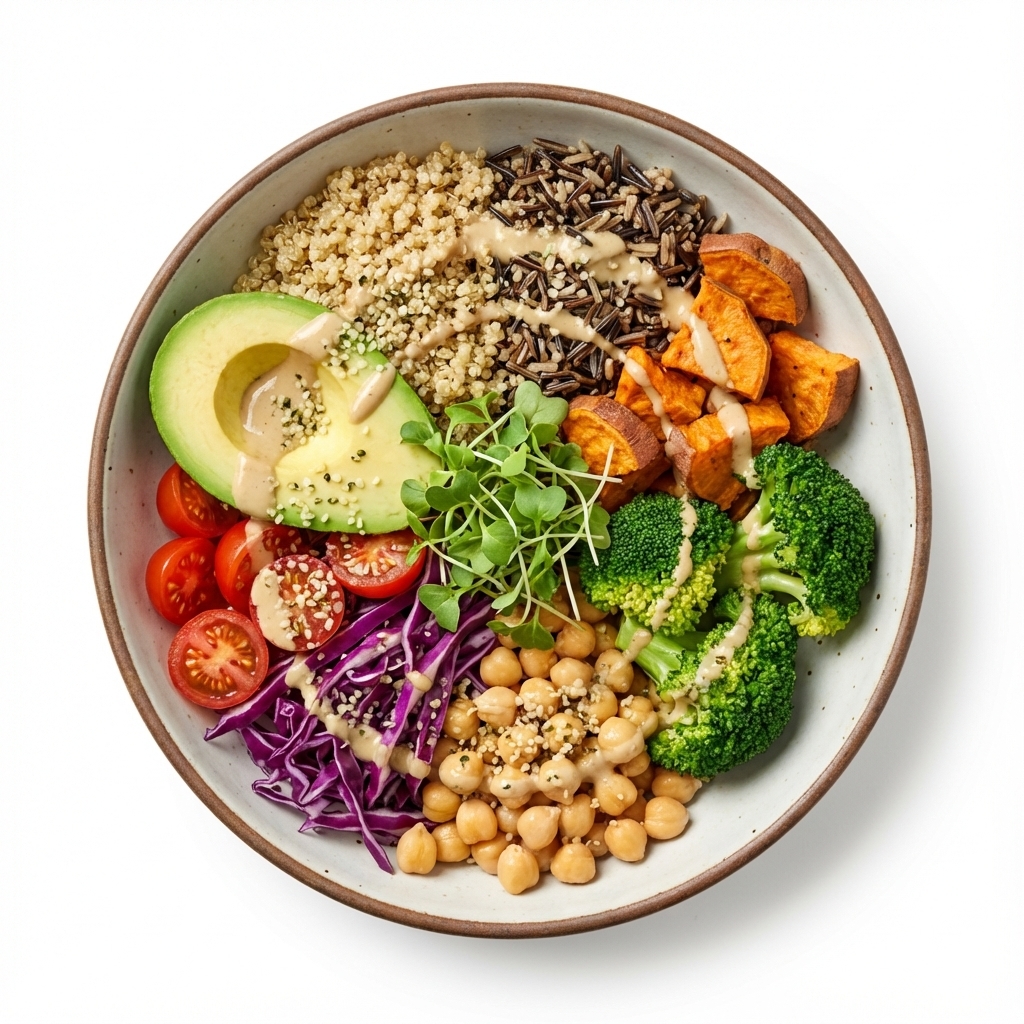
What's in this article
- Why eggs and whole grains work better together than alone
- The exact nutrition breakdown (without confusing jargon)
- Common mistakes that silently cancel the benefits
- Who should avoid or modify this breakfast
- How to cook and time it for maximum results
Table of Contents
Metadata
| Food | The Science Of Low Fat In Your Daily Snacks |
| Category | Snacks |
| Intent | Low Fat |
| Variant | Standard Guide |
| Primary Question | Is eating this good for low fat during snacks? |
Executive Summary
Choosing foods tailored for Low Fat in your Snacks is a smart decision for sustained vitality. A balanced plate provides stable glucose delivery without post-meal lethargy.
Key Decision Guidelines
Who it is good for: Active users seeking sustained energy. Who it is not ideal for: Users needing rapid, immediate simple sugars. Main reason: Whole foods regulate insulin release.
Decision Scorecard
Decision Scorecard
| Convenience | 8/10 |
| Protein Density | 7/10 |
| Satiety & Fullness | 8/10 |
| Digestibility | 8/10 |
Why People Choose This Food
Users select these metabolic combinations to balance morning preparation speed with steady mental and physical energy reserves.
Food Science Breakdown
Digesting whole grains and clean proteins slows gastric emptying. This blunts the glycemic response, preventing the insulin spikes that shuttle sugar too quickly out of the blood and trigger sleepiness.
Nutrition Analysis
These configurations prioritize high protein density (20-30g) and slow-release complex carbohydrates bundled with dietary fiber, protecting lean mass and cellular mitochondrial output.
Context Analysis
- For Weight Loss: Supports metabolic rate and prevents mid-morning cravings.
- For Muscle Gain: Supplies critical building blocks for protein synthesis.
- For Office Workers: Keeps brain glucose constant, maximizing focus.
Benefits
- Eliminates reactive hypoglycemia slumps.
- Supports gut health with essential fibers.
- Provides lasting fullness for 4-5 hours.
Limitations
- Requires active planning and preparation.
- Can become calorie-dense if portion sizes are ignored.
- Requires adjustments based on personal activity levels.
Comparison Section
| Metric | Balanced Plate | Processed Choice | Winner |
|---|---|---|---|
| Protein | High | Low | Balanced Plate |
| Fiber | High | Low | Balanced Plate |
| Digestive Speed | Steady | Fast | Balanced Plate |
Population-Specific Guidance
- Office Workers: Best option to keep mind focused and alert.
- Athletes: Increase carbs on high-intensity training days.
- Vegetarians: Focus on plant proteins like tofu, pulses, and yogurt.
Optimization Tips
Enhance your nutrition profile by implementing simple plate additions:
- Mix in pumpkin or chia seeds for monounsaturated fats.
- Pair with sprouted green gram or eggs to increase bioavailable amino acids.
- Add raw greens to build your micronutrient base.
Common Myths
Carbohydrates should be strictly avoided in the morning.
Carbs are fine if they are complex, whole, and paired with protein or fiber to slow absorption.
Eating fat makes you fat.
Excess total calories cause fat accumulation. Healthy fats support hormone health and satiety.
Research & Evidence
Nutritional research indicates that high-protein breakfasts reduce evening snacking and balance ghrelin levels. Circadian science supports consuming heavier nutrient loads during daylight hours when insulin sensitivity is higher.
FoodMing Verdict
Overall Verdict: Good Choice
Selecting Low Fat options for Snacks is highly recommended. Customize your macro balance based on your physical movements.
Related Decisions
- What to eat instead of sweet options?
- How to optimize your morning hydration?
- Customizing your protein intake for fat loss.